

Archlifter

The Ultimate
Neck & Spine Fitness Device

Professional Version - Suitable For

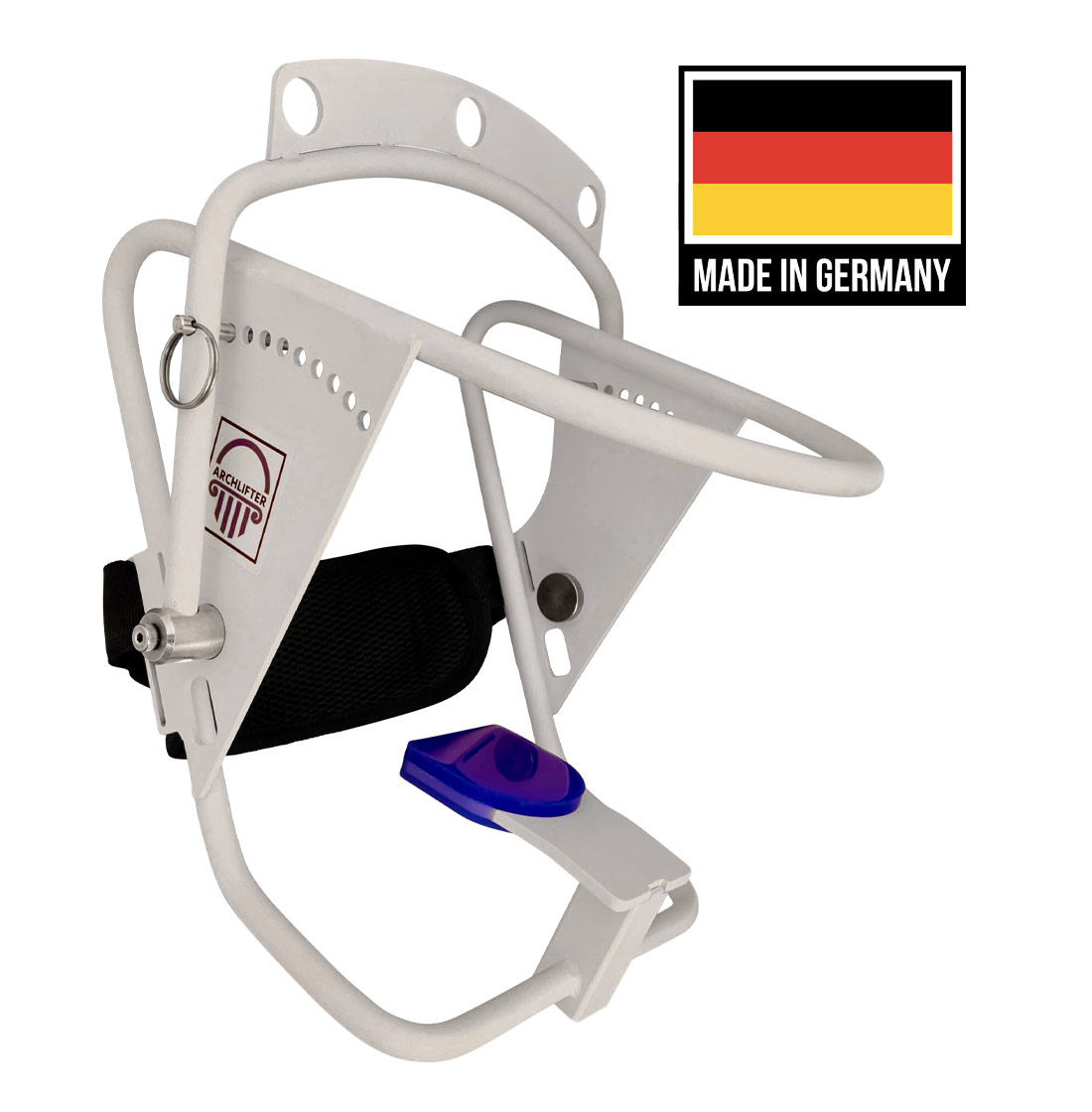
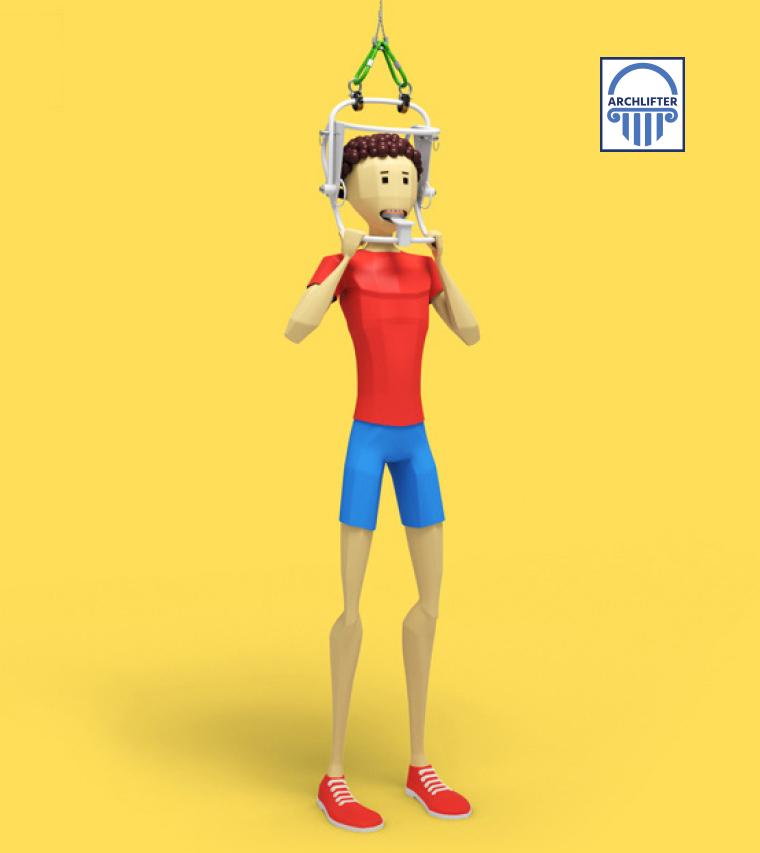
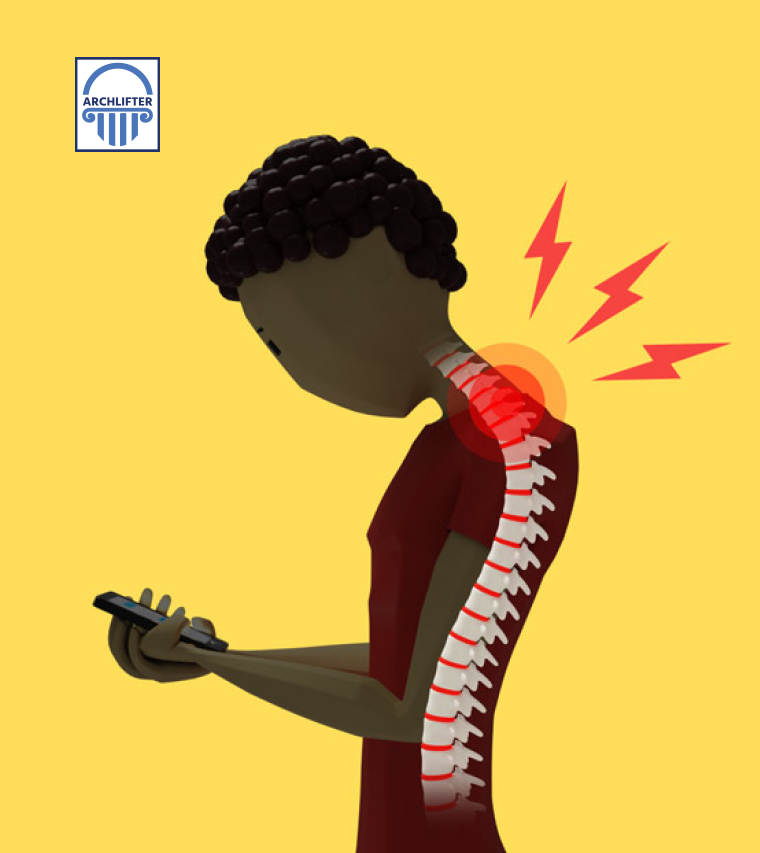
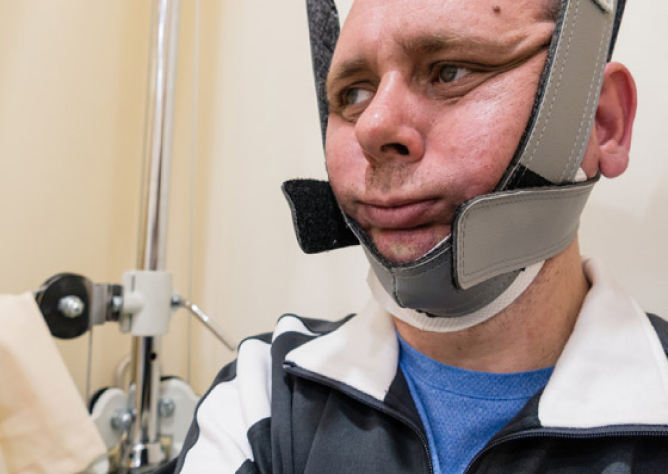
Use the Archlifter™ only minutes per day to undo the effects of gravity and screen hunch. Archlifter™ uses the same methodology as 'Halo Gravity Stretching' in use since the 1960s.

Risk free

Get rid of your tech neck with the Archlifter™ Fitness Device

Risk free

Halo Gravity Stretching

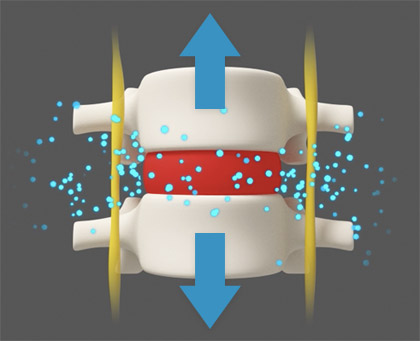
Stretching Makes Space for Disc Hydration

Free Download

5 Common Causes Of Premature Neck Degeneration and Pain

We won’t spam you

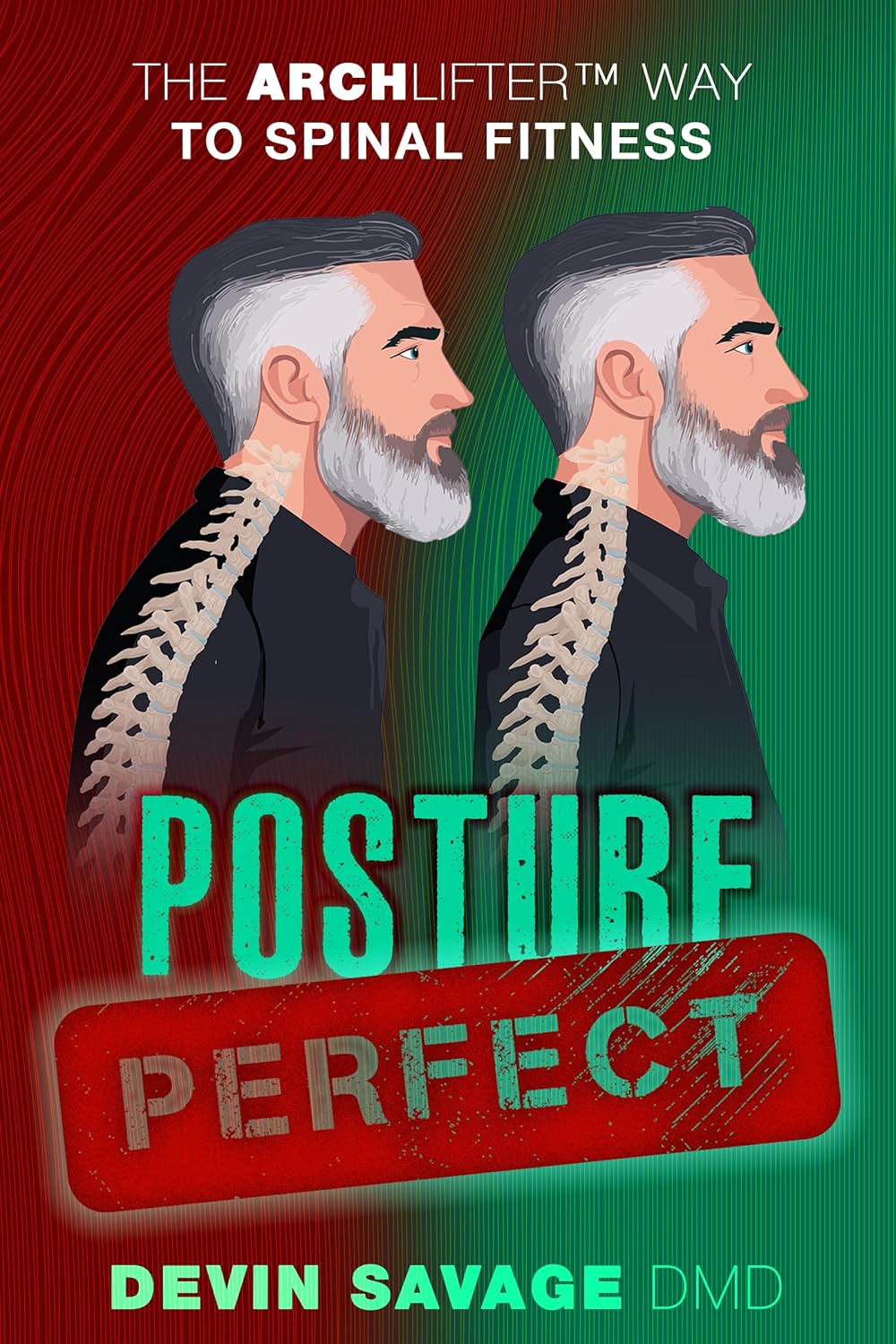
Posture Perfect: The Archlifter™ Way to Spinal Fitness

Struggling with back pain or poor posture? It's time to unlock the secret to a stronger spine and better posture with Posture Perfect: The Archlifter™ Way to Spinal Fitness.

Which way are you headed?

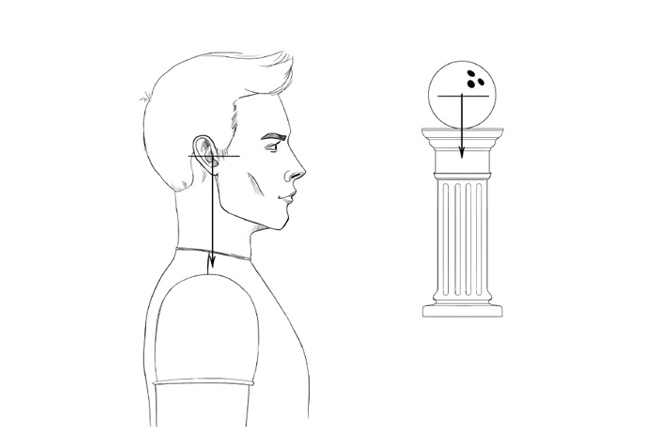
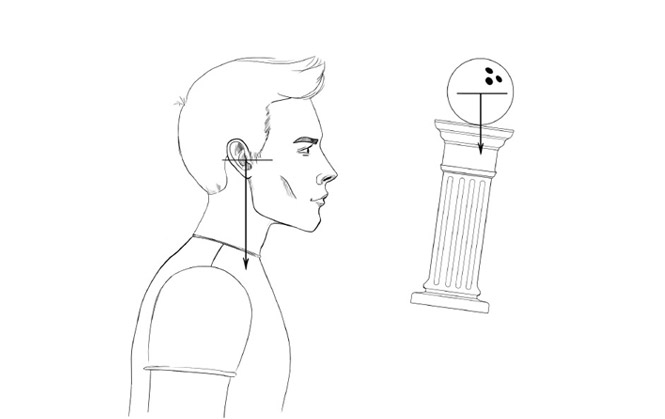
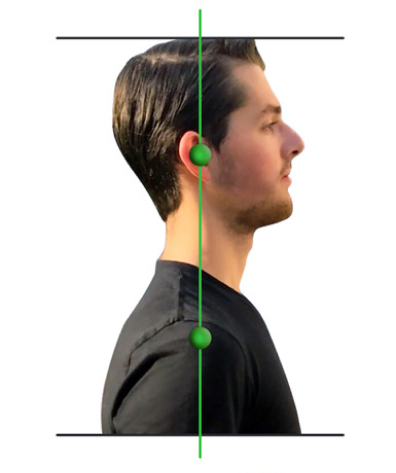
Normal posture

Posture Angle 0 degrees. The ear opening should line up directly over the shoulder.

Normal posture

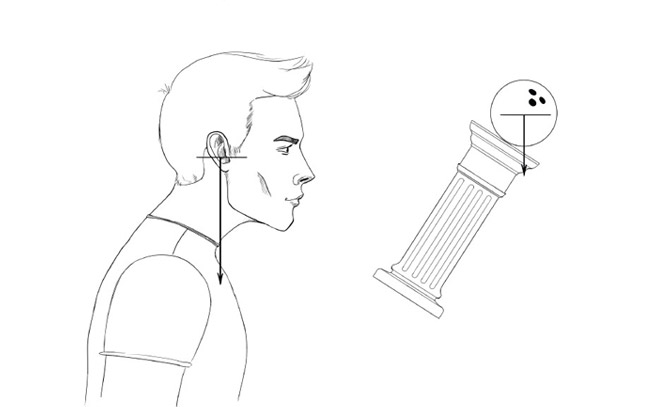
Phase 1

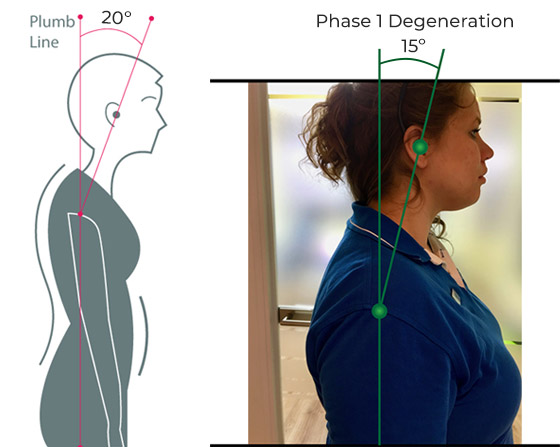
Posture Angle 5 to 20 degrees. The normal curvature of the neck gets straighter causing the discs to thin out in the anterior region. With targeted exercise this phase may be fully reversible.

Phase 1 Posture Angle 5 to 20 degrees

Phase 2 – Slight Degeneration

Weakening of the supporting structures of the neck
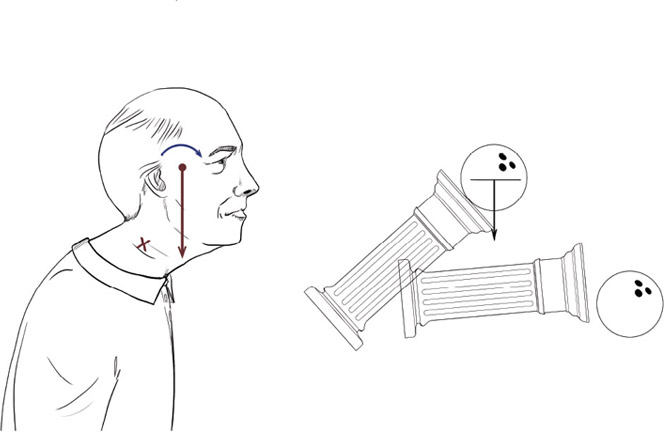
Posture Angle 20 to 28 degrees. The normal curvature of the neck is completely gone. The discs start to flatten from the top and the bottom of the neck like an accordion and the wedging effect can change the shape of the disc. The disc weakening is most generally apparent in the C5 to C6 region.

Phase 2 Slight Degeneration

Phase 3 – Further weakening of the supporting structures of the neck

Posture Angle 28+ Degrees. This is a severely weakened neck. The discs continue to dry out and flatten. There have been arthritic changes in the joints and calcium deposits seen in x-ray studies of individuals with this problem. The spaces between the vertebrae are shortened as the discs continue to dry out and flatten. These individuals can experience a reduction in range-of-motion in the neck. If you think you fit this category, please check with your doctor prior to implementing any exercise routine.

Phase 3 - Degeneration

Targeted Relief

Using the Archlifter™ for daily stretching helps relieve the typical tension that builds up from gravity and poor posture. This passive stretching routine carries minimal risk, making it an incredibly popular home method for soothing everyday neck and back tension.
If you struggle with discomfort or postural issues, The Archlifter™ is a great fitness tool to integrate into your daily fitness and stretching routine.

What is your posture angle?

Approximate posture angle ranges

Normal and healthy

0 to 5 degrees

Phase 1 degeneration

5 to 20 degrees

Phase 2 degeneration

20 to 28 degrees

Phase 3 degeneration

28 + degrees

Calculate your posture angle

Ideal posture

Take a photo as shown, print it out. Use a protractor to calculate your posture angle.

This will give you a rough idea of your present neck health.

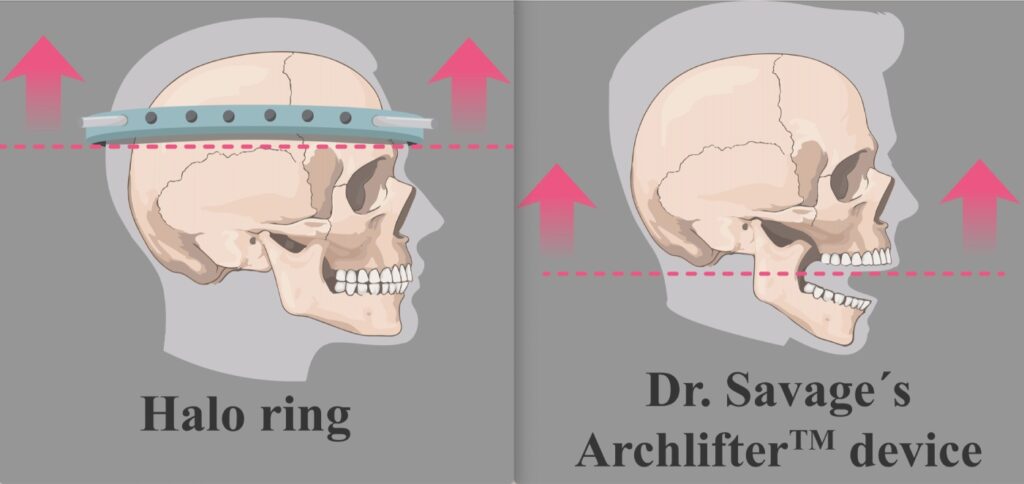
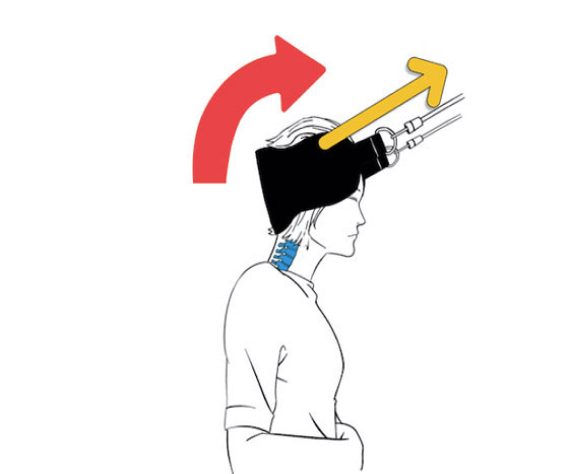
The Archlifter produces Balanced Stretching Forces to:

Stretching forces = Balanced
Stretching forces = Unbalanced
Stretching forces = Balanced
Pressure on TMJ
Uncomfortable

Why is stretching with the Archlifter™ so helpful?

The Mechanics of Movement

Spinal discs have no direct blood supply. They rely entirely on movement — the rhythmic pumping action of the vertebrae above and below — to draw in the extracellular fluid that keeps them hydrated, elastic, and resilient. When you move, your discs are nourished. When you don’t, they gradually lose that fluid and the flexibility that comes with it.

Your body is built for frequent movement — much like a self-winding watch that needs the motion of daily activity to stay wound. Extended periods of inactivity combined with screen hunch work against this. The neck and upper back, held in the same position for hours, lose their natural range of motion. Soft tissues tighten. The discs miss out on the pumping cycle they depend on. Over time, what starts as everyday desk fatigue becomes structural stiffness and reduced flexibility.

The Archlifter™ is designed to give your neck and spine exactly what prolonged sitting denies them: controlled, gravity-assisted movement that stretches the soft tissues, restores range of motion, and supports the natural posture your body is built to maintain.

With consistent daily use, users report noticeably improved neck mobility, reduced stiffness, and a greater sense of ease in how they carry their head and shoulders. Results vary depending on how much tension you carry and how consistently you use it.

Backed By Research

Gravity-assisted stretching and regular spinal movement are well-documented in the sports science and physical fitness literature. Research consistently supports the role of active stretching routines in maintaining joint mobility, soft tissue flexibility, and postural endurance — particularly for desk workers and anyone whose daily routine involves sustained static positioning.

decompression
Stretching produces a slight vacuum inside the disc allowing influx of water and nutrients.

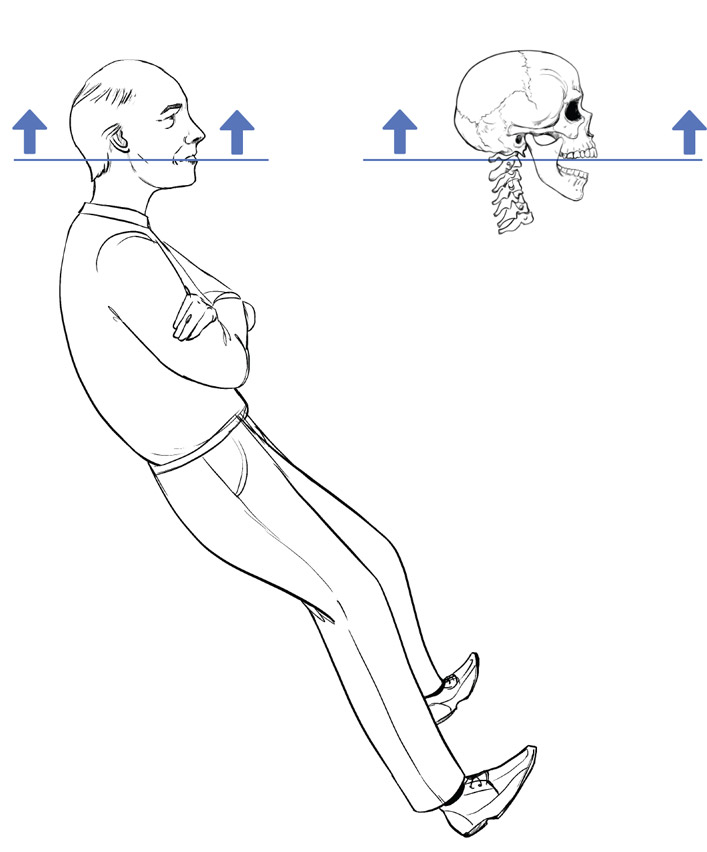
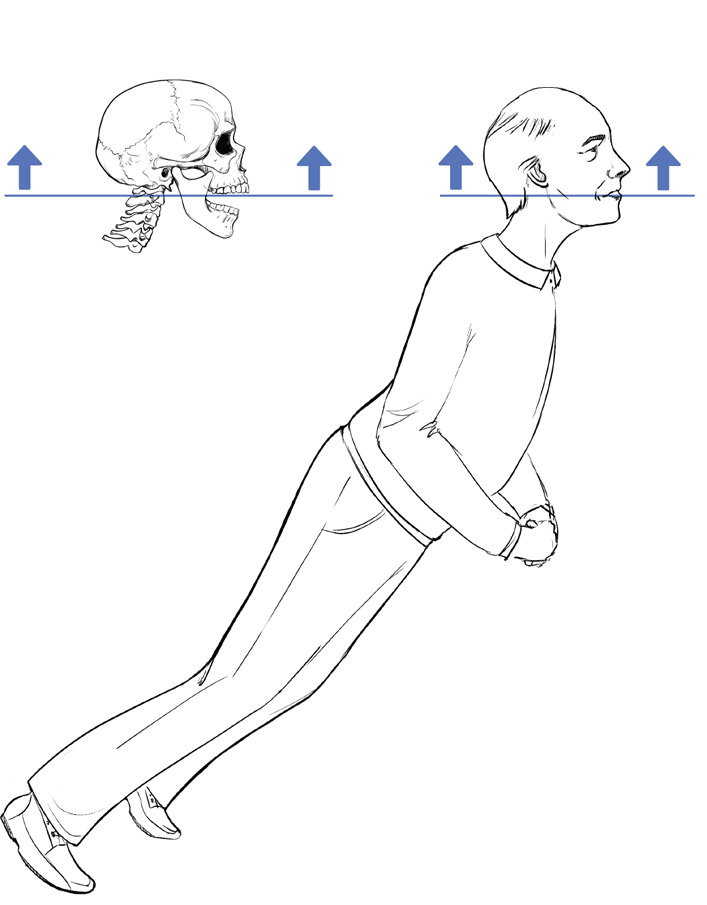
Archlifter™ balanced stretching

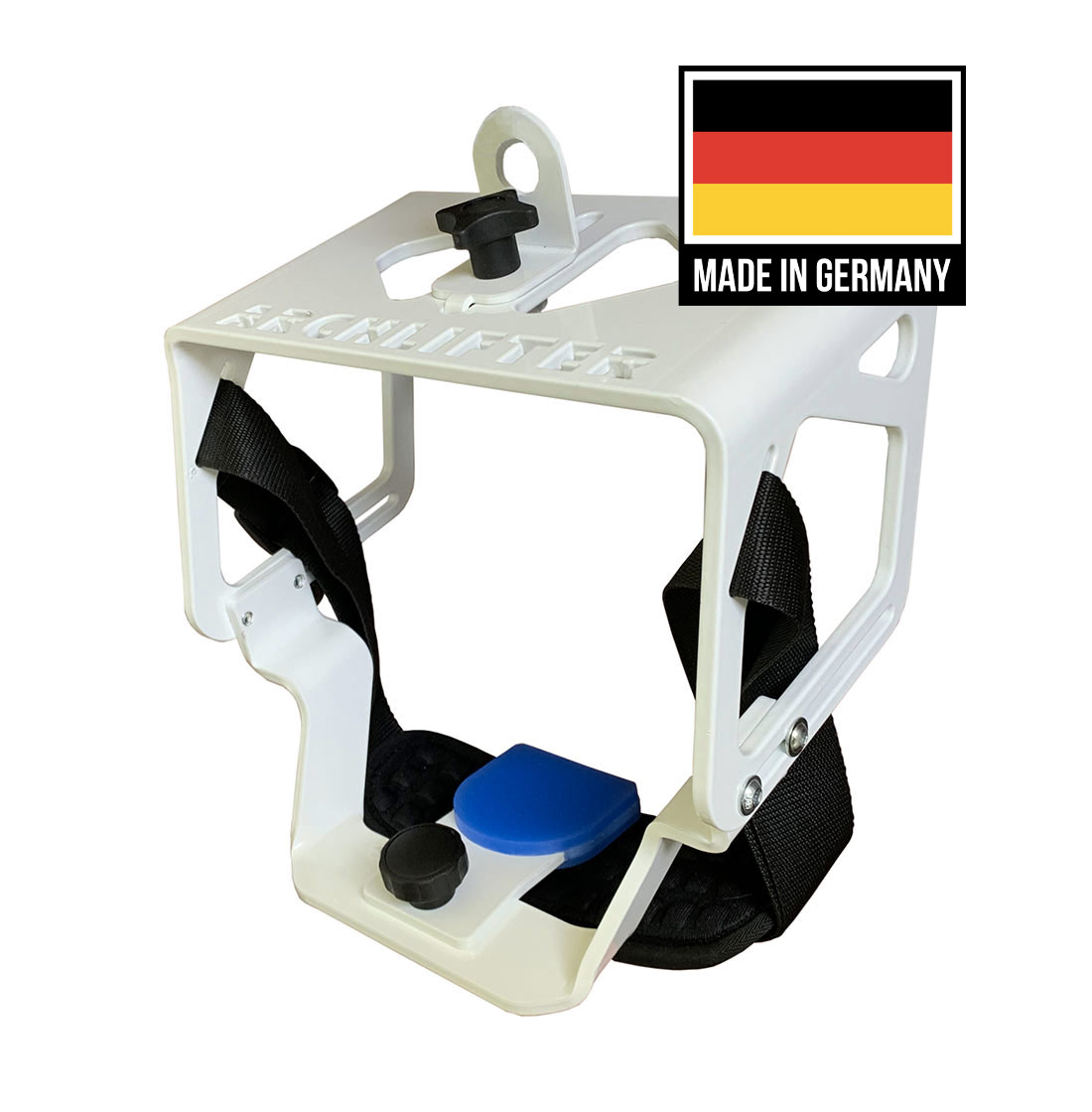
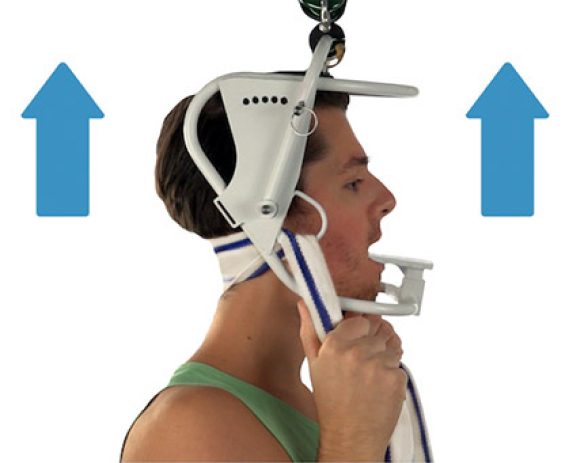
Archlifter™ holds the head steady while the user applies optimal stretching.

Lean backwards, forwards or any way in between. Archlifter™ will help you restore your natural neck curvature and provide a gentle stretch. You control the amount of stretching using your legs and bending at the knees. Archlifter™ has hand-holds to help you steady yourself and for fine control of the stretch.

Reviews

What our customers say about Archlifter™

Experience Relief Today!

Say goodbye to tension with Archlifter™

Risk free
Archlifter Type-2

The Science of Neck Degeneration

X-ray imaging tells the story. There are structural changes that occur with prolonged poor posture and the relentless effects of gravity.

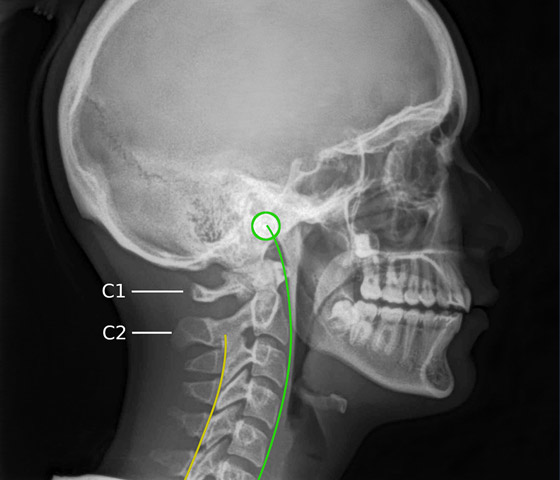
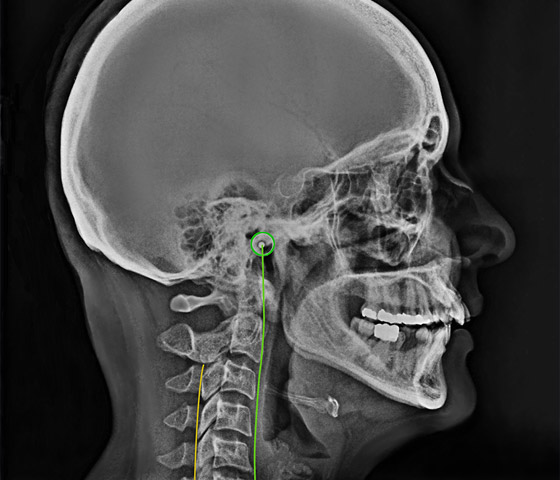
Normal teenager

You can see here that the normal and healthy neck curvature is present. This curvature is required for the “spring action” of the neck: the head weight is carried primarily by the facet joints. (Yellow Line) The spinal discs are evenly spaced and the vertebral bones are healthy and normal. (Green Line) The Atlas (C1) is in a normal position. Posture angle: 0 to 5 degrees.

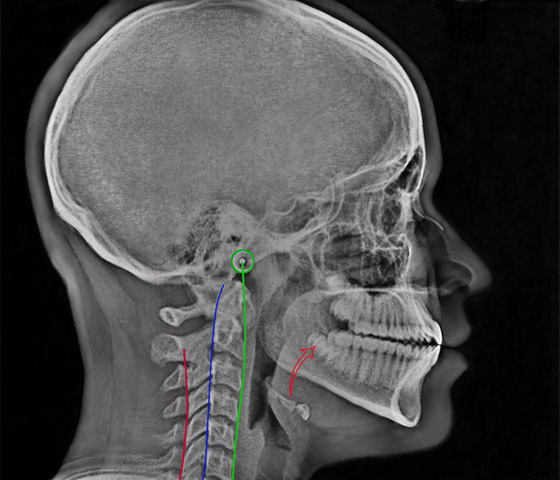
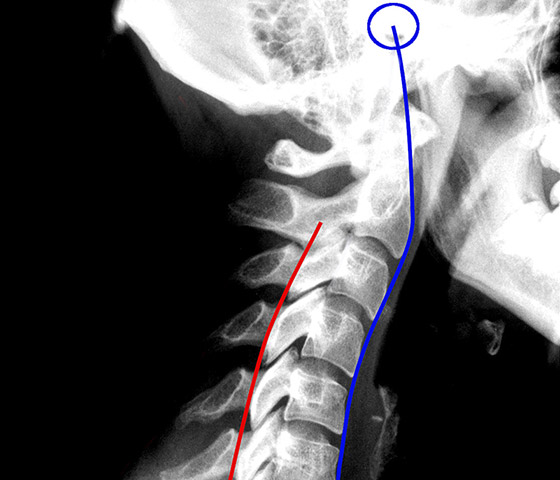
13 year old with tech-neck

The normal and healthy curvature is absent in this teenager (note undeveloped wisdom teeth, red arrow) with phase 1 of cervical degeneration. The weight of the head is shifting from primarily borne by the facet joints (red line) to being borne by the discs (between blue and green lines) at this phase, but few structural changes have occurred. The tipping point of C1 has been reached and it has already started to tilt backwards, and the neck can’t function as a spring. The neck shows signs of premature aging. Phase 1 is mostly or fully reversible with timely intervention. Posture angle: 5 to 20 degrees.

38 year old with reverse curvature in Phase 2 of degeneration

You can clearly see the reverse curvature here. The Atlas (C1) has tipped backwards and the bulk of the weight is carried by the discs. This is clearly phase 2 of cervical degeneration and structural changes are starting to take place. The discs are beginning to show signs of wedging. Posture angle: 20 to 28 degrees.

Moderately advanced cervical degeneration in middle age

This patient shows signs of irreversible structural changes in the neck. The Atlas (C1) has slipped further backwards as the cascade of events is underway leading to advanced structural changes. Phase 3 of cervical degeneration shows an actual reversal of the curve, more pronounced disc wedging and neck instability. Posture angle: 28+ degrees.

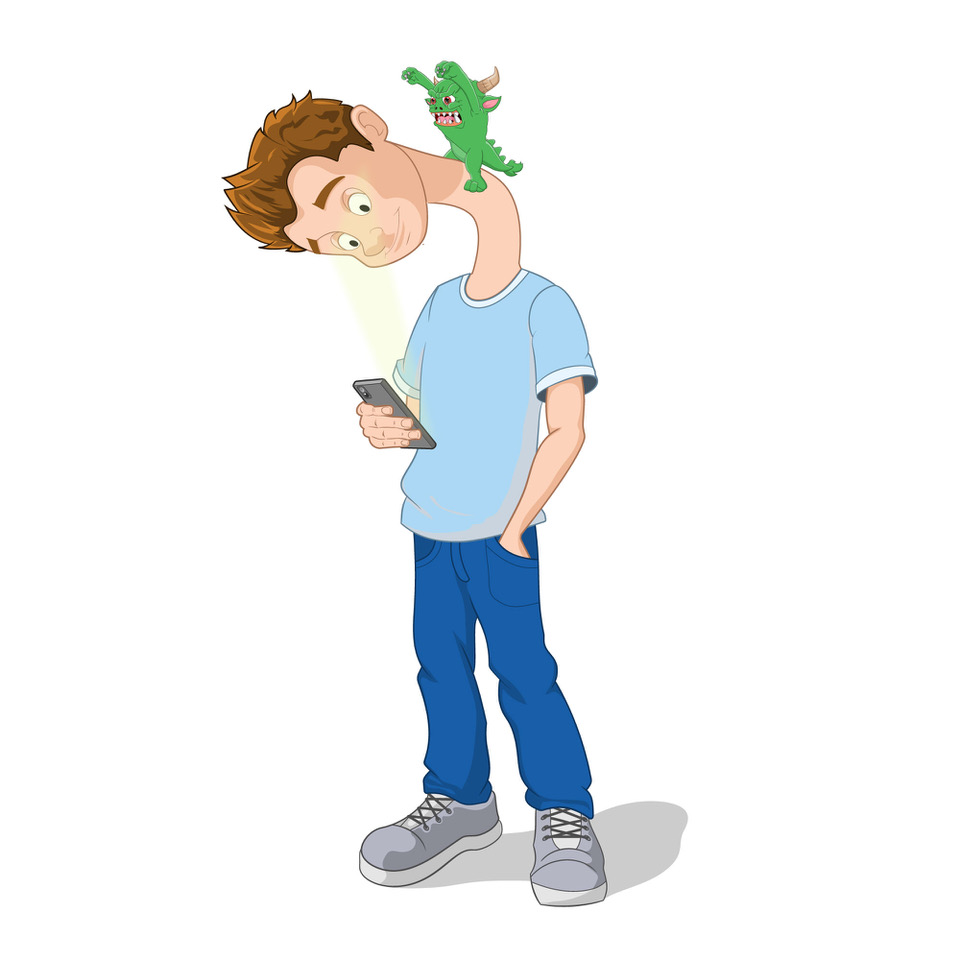
Children start with technology at a very young age.

Make sure they understand how to avoid screen hunch and the problems that follow.

Further reading

The Science of Forward Head Posture

Spine Misalignment, UARS and Sleep Apnea in Children and Adults.

Rene Cailliet M.D., medical author and former director of the department of physical medicine and rehabilitation at the University of Southern California stated: “Head in forward posture can add up to thirty pounds of abnormal leverage on the cervical spine. This can pull the entire spine out of alignment. Forward head posture (FHP) may result in the loss of 30% of vital lung capacity.

These breath-related effects are primarily due to the loss of the cervical lordosis, which blocks the action of the hyoid muscles, especially the inferior hyoid responsible for helping lift the first rib during inhalation.” Forward head posture (or tech-neck) can increase the upper airway resistance in children as well as adults. This can contribute to Upper Airway Resistance Syndrome (UARS).

 
This syndrome is characterized by a general lack of sleep, poor posture and dental malformations. If you or your child exhibit these symptoms, please seek help from a specialized sleep center for complete diagnosis.

Experience Relief Today!

Say goodbye to tension with Archlifter™

Risk free
Archlifter Type-2